The short answer
No, relaxed fit does not mean oversized. Relaxed fit adds a modest amount of extra room over your true size so the garment skims rather than hugs, while oversized is a deliberate jump of one or more sizes with a boxier silhouette built right into the pattern. They sit on the same spectrum, but they are not the same stop on it.
If you have ever bought a 'relaxed fit' hoodie expecting something to swamp you and ended up with something that just fits comfortably, you have felt the gap between the two terms first-hand. It is a clothing question, not a sleep science one, but stick with us: what you wear to wind down is part of the same evening routine as the sound and light around you, and that is where this connects back to what we actually do.
What 'relaxed fit' actually means on the garment
Relaxed fit is a construction choice, not a marketing flourish, at least when brands use it properly. The shoulder seam typically sits only two to four centimetres past your actual shoulder point, the chest and waist have extra ease stitched in rather than darted out, and the garment still roughly follows your body's outline. A relaxed fit shirt moves with you. It does not hang off you.
Trousers labelled relaxed fit usually keep a straight or slightly tapered leg rather than a wide one, and the rise sits where a regular fit would, just with a bit more room through the thigh and seat. The intent is comfort without losing shape. Think of a well-made pair of joggers you'd actually wear outside the house, not just on the sofa.
What 'oversized' actually means, and where it diverges
Oversized garments are cut from a pattern a size or two larger than your measurements, and the extra fabric is distributed on purpose rather than as ease. The shoulder seam can drop five to ten centimetres or more past your actual shoulder, which is what gives that slouched, dropped-shoulder look. Armholes are deeper, sleeves are wider, and hems often run longer than a standard cut.
This is a styling decision as much as a comfort one. Oversized pieces are designed to be seen as deliberately too big, the way a vintage band t-shirt or an old work shirt looks when you've grown into it the wrong way. Relaxed fit is quietly comfortable. Oversized is a visible proportion statement.
Why the two terms get blurred so often
Sizing labels are not regulated, so one brand's 'relaxed' is another brand's 'oversized', and a third brand might use both words on the same product page to cover search terms. Fast fashion in particular tends to stretch 'relaxed fit' to mean anything that isn't skin-tight, which waters the term down until it stops meaning much at all.
There is also a genuine overlap zone. A heavyweight French terry hoodie cut relaxed through the body but with a dropped shoulder can read as oversized to one person and merely comfortable to another. Fabric weight changes the perception too: a relaxed fit in stiff denim drapes very differently from the same pattern in a soft, worn-in jersey.
Why this is on a relaxation app's blog at all
Because comfort is layered, and clothing is one of the layers people forget about. We spend most of our time here talking about sound: the right tempo for falling asleep, the right ambience for a deep work session, the right pacing for a guided meditation. But the body has to feel settled before the mind does, and what's pressing on your shoulders, waist, or ankles at 11pm is part of that.
A waistband digging in, a seam sitting wrong on your shoulder, a hem that bunches when you roll over: none of these are dramatic on their own, but they add up to a body that is slightly on alert rather than slightly off duty. If you're choosing sleepwear, relaxed fit over oversized is usually the better call for actual sleep, since oversized fabric tends to twist and gather under a duvet in a way that fitted-but-loose doesn't.
Building the rest of the wind-down environment
Clothing is one input. Sound is another, and it's the one we spend our days on. A 60-70 bpm pulse, roughly resting heart rate, does more to cue the body toward sleep than most people expect, which is why it's worth pairing the right loungewear with the right audio rather than treating them separately.
The light screen in the app follows the same logic as a relaxed fit garment: nothing dramatic, just the removal of friction. A dim, warm visual alongside slow evolving tones gives your eyes something undemanding to settle on while a track plays underneath, the same way a soft, well-cut t-shirt gives your skin nothing to react to. We've written more on the sound side of this in our guide to music for sleep, if tempo and instrumentation are what you're curious about next.
Where the mixer comes in
Most sleep and relaxation apps give you one fixed track, which is the audio equivalent of only ever owning oversized clothes: it might work for some people some nights, but it ignores how much preference varies person to person and night to night.
Our mixer lets you set rain, a low drone, and a single instrument each at their own level, so the overall mix fits the way a relaxed-fit garment fits: close enough to feel supported, loose enough to not notice it's there. You can nudge the rain up and the drone down on a night your mind is louder than usual, the same way you'd reach for the softer, looser pair of joggers on a day your body feels tight. That flexibility is the actual difference between our library and a static playlist, and it matters more on a bad night than a good one.
A practical way to choose, tonight
If you're shopping for loungewear or sleepwear and torn between the two labels, go by fit at the shoulder and hem rather than the word on the tag. Try the garment on, raise your arms, and roll your shoulders. If the fabric moves with you and the hem stays roughly in place, that's relaxed fit, and it's the better choice for anything you'll actually sleep or sit still in for hours. If the shoulder seam sits noticeably down your arm and the whole thing reads as a size bigger, that's oversized, and it's a better fit for an afternoon on the sofa than a full night's sleep.
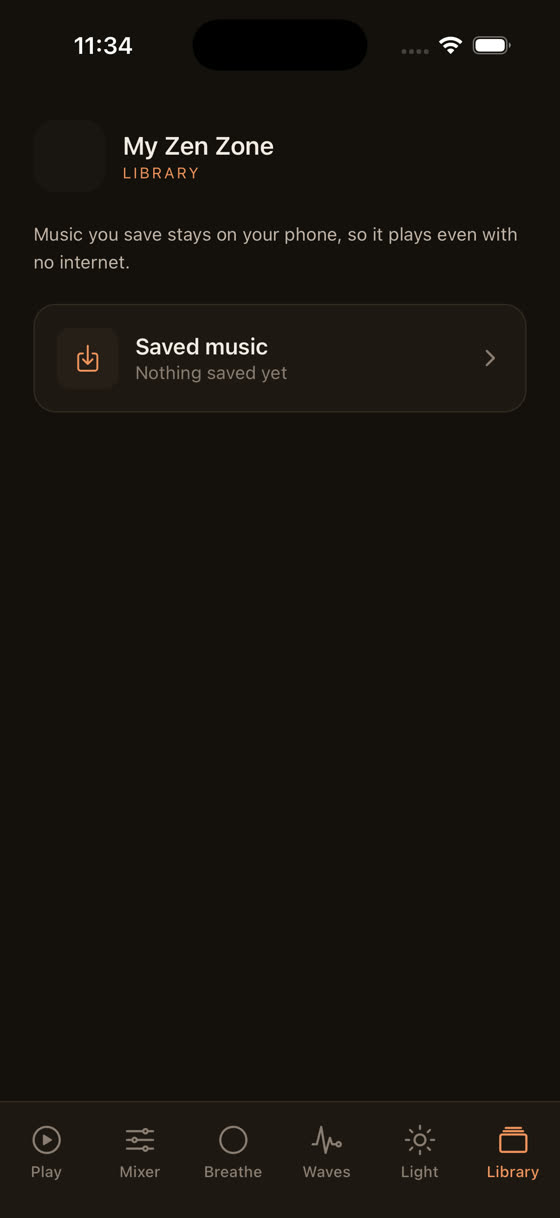
Then treat the rest of the evening the same way you'd treat the clothing: strip away friction rather than adding more. A breathing pattern before you put the phone down, a slow track with the room sounds turned low, a timer set so the audio fades out instead of looping all night. If you're winding down after a day of screens and deadlines rather than heading straight to bed, the same mixer and library work for a slower, more settled focus session too, which is covered in our piece on music for focus and study.
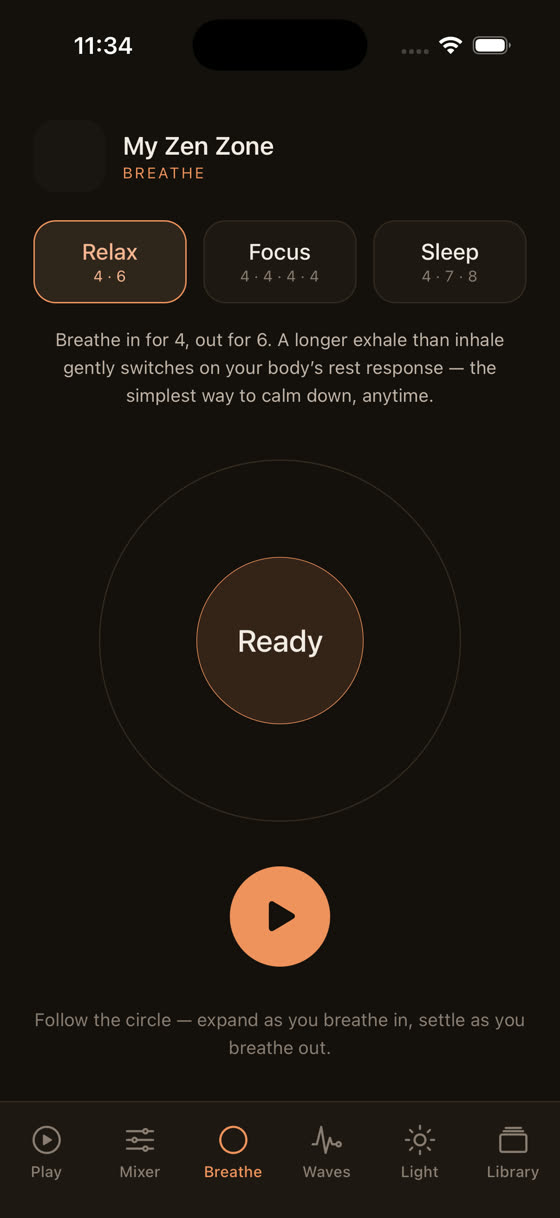
None of this is complicated, and none of it needs to be. The whole library, including whatever's been added in the last fortnight, is available through the app or in a browser at myzenzone.app if you'd rather set the mix up on a laptop before you ever get into bed.
Common questions
Is relaxed fit the same as regular fit?
No. Regular fit follows standard sizing with minimal extra ease, built close to your actual measurements. Relaxed fit adds a bit more room through the chest, waist, or thigh for comfort and movement, while still following your body's general shape. It sits between regular and oversized rather than matching either one exactly.
Which is better for sleeping, relaxed fit or oversized pyjamas?
Relaxed fit tends to work better for actual sleep. Oversized fabric has more excess material that can twist, bunch, or ride up as you move through the night, while relaxed fit stays close enough to your shape to stay in place but loose enough not to restrict movement or circulation.
Why do different brands define oversized so differently?
Sizing terms aren't regulated, so each brand sets its own pattern blocks and ease allowances. A size-up jump that one brand calls 'oversized' might be another brand's 'relaxed fit,' especially in fast fashion where terms are often chosen for search visibility rather than precise fit description. Always check fit, not just the label.
Does what I wear to bed actually affect sleep quality?
There's no strong research specifically comparing garment fit to sleep outcomes, so we won't claim it does. What's reasonable to say is that clothing causing physical discomfort, tight waistbands, bunching fabric, can keep the body mildly alert, which works against the kind of settling that slower breathing and quiet sound are trying to encourage.