The best lullaby for a baby isn't the one with the most views. It's a slow, repetitive, mostly instrumental piece around 60-80 beats per minute, with no sudden loud moments and no lyrics complicated enough to pull attention toward meaning instead of sound. That's the whole mechanism. The hard part isn't finding music that fits this description, it's finding a way to play it that doesn't undo the effect halfway through the night.
What YouTube Search Actually Ranks
Type "best lullaby for baby" into YouTube and you get videos ranked by watch time and click-through, not by whether they help anyone sleep. A video with a jarring music-box jingle in the first three seconds, a cute thumbnail, and a title in capital letters will often outperform a genuinely calm ten-minute piece, because the algorithm rewards the hook, not the outcome. Several of the most-viewed "lullaby" uploads are 8 or 10 hour loops stitched together from a two-minute clip, and the seam where it loops is audible: a volume jump, a key change, sometimes a few seconds of silence before it restarts. A baby on the edge of sleep notices that far more than an adult does.
Why Tempo and Repetition Do the Work
A resting heart rate sits somewhere around 60-80 beats per minute, and music at that pace tends to feel settling rather than energising, for babies and adults alike. Repetition matters just as much as tempo. A melody that keeps returning to the same few phrases gives the brain nothing new to process, which is the point. Novelty is arousing, even pleasant novelty, and arousal is the opposite of what you want at 2am. This is the actual flaw in a lot of "relaxing baby music" content: it's pretty, but it modulates, builds, and introduces new instruments every thirty seconds because that's what keeps a viewer watching. Good sleep music is almost boring by design.
The Autoplay Problem Nobody Mentions
Even if you find one genuinely calm video, YouTube doesn't stop there. Autoplay moves to whatever's next in the queue, and "next" is chosen for engagement, not consistency. Parents report starting a soft piano lullaby and waking at 3am to find the phone has drifted into a completely different, louder video, sometimes with a jump-scare-style ad in the middle of it. The screen itself is also a problem: a phone or tablet left running means a lit screen in a dark room, which is exactly the kind of light cue you're trying to avoid near a crib. None of this is a flaw in any single video. It's a flaw in using a platform built for recommendation and advertising as a sleep tool.
What a Lullaby Track Should Actually Contain
Strip away the branding and a genuinely useful lullaby is simple on paper: a soft piano or celesta line, maybe a music box tone, a warm low pad underneath to fill the space, and a dynamic range so narrow that nothing in the track is ever more than slightly louder than anything else. No cymbal crashes, no key changes designed to feel uplifting, no vocal runs. Some of the most effective tracks barely qualify as "songs" in the usual sense, they're closer to a held chord that breathes. If you want to layer in something like rain or a low hush of white noise underneath, the trick is keeping it quiet enough that it's felt rather than noticed.
That's worth watching in motion rather than described: a soft piano line with a thin layer of rain brought in underneath it, each at its own independent level, nudged until neither one is doing too much. That kind of control is the actual difference between background music and something built to be background.
A Setup That Doesn't Rely on Autoplay
If the goal is reliable, uninterrupted, unchanging sound through a nap or a night, the fix is mechanical as much as musical. Download the track so it plays without a connection, set a timer so it stops or loops predictably instead of autoplaying into something else, and put the phone face down or across the room so there's no screen glow. This is less a feature of any one app and more a description of what a dedicated player should do that a video platform wasn't built to do.
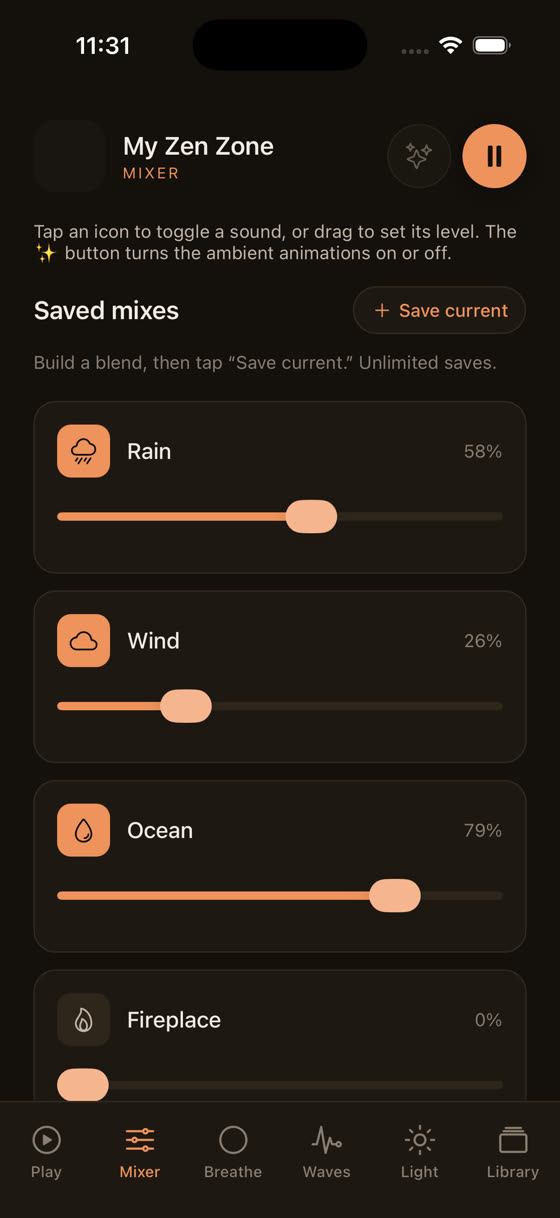
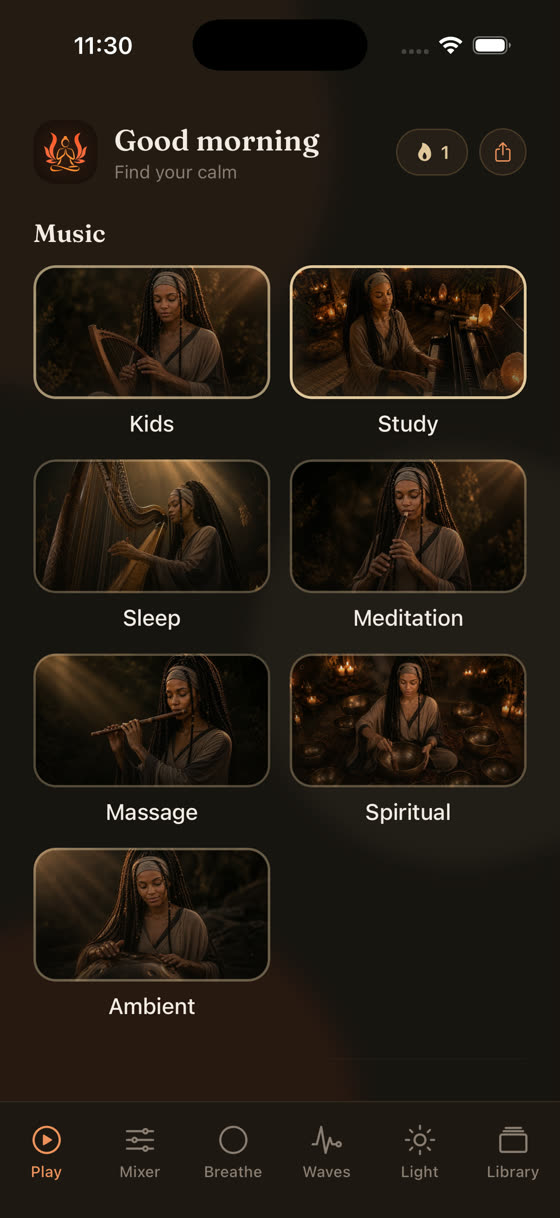
In My Zen Zone the Sleep category is built around exactly this kind of piece: long, instrumental, narrow in dynamic range, available offline, with a sleep timer so nothing autoplays once it ends. You can also drop in a second or third layer, rain, a low drone, a soft hush, each on its own slider, so you're not stuck with a fixed mix someone else chose. New tracks go in every two weeks, so it isn't the same forty-minute loop every night, which matters more than people expect once a baby starts associating a specific loop point with waking up.
This Is Also About the Parent, Not Just the Baby
Nobody searching for a baby lullaby at midnight is well rested themselves. The same tempo and repetition argument that works for an infant works for the adult standing over the crib, and it's worth having something for your own wind-down too, not just the baby's. We've written more on the mechanism behind this at our guide to music for sleep, which goes into why certain frequencies and structures settle an adult nervous system specifically. If you're the one who can't get back to sleep after a 3am feed, that's the more useful read.
Building a Routine Instead of Hunting for a Video
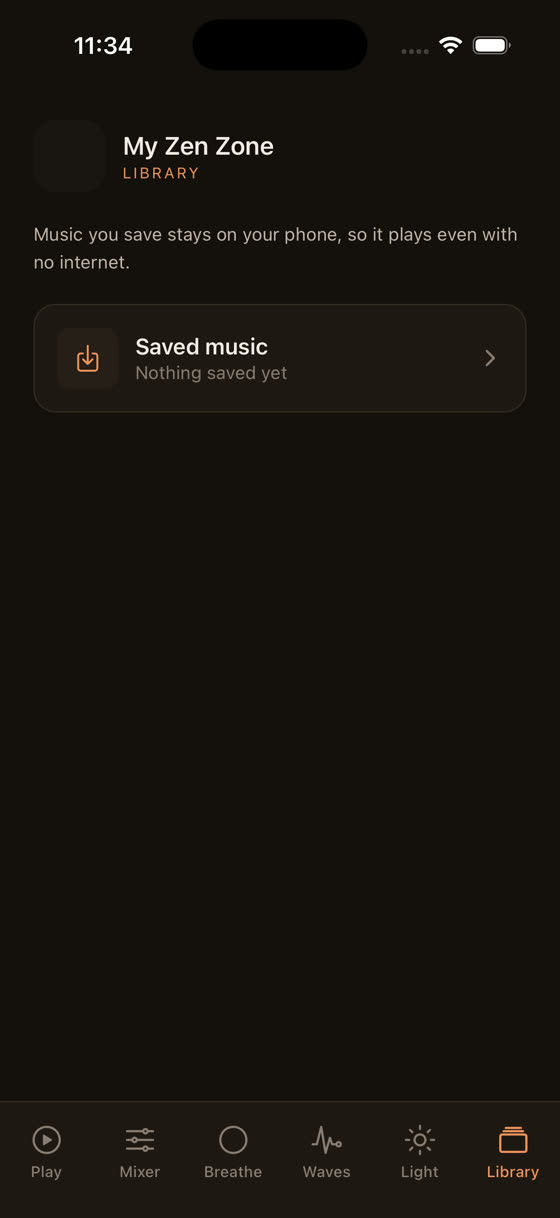
A single great lullaby video matters less than a consistent routine. Babies, like adults, respond to cues repeated at the same time each night: dim the room, start the same quiet sound, settle in. A light screen that fades the display and keeps the room dark while something plays underneath can be part of that same cue.
The specific track matters less than the fact that it's the same one, played the same way, without a phone deciding to show you something else halfway through. That's a routine you can actually keep on a bad night, which is most nights with a newborn.
Being Honest About What This Is and Isn't
My Zen Zone wasn't built as a baby app, and we're not going to claim otherwise or make promises about infant sleep outcomes, the evidence on lullabies and infant development is genuinely thin and we won't invent certainty that isn't there. What we can say plainly is that the Sleep library follows the same principles that make any lullaby work, slow tempo, narrow dynamics, real repetition, and it's built by one person composing specifically for this, not pulled from a stock library. If you want to see the range before committing, the full library is organised by category, or you can get the app and try the Sleep section against whatever you're currently using.
Common questions
Is it safe to leave music or a phone playing all night near a baby?
Keep the phone away from the crib and at a low, steady volume rather than right beside the baby. A sleep timer that stops playback after a set period, rather than looping or autoplaying all night, is generally a more sensible setup than leaving any device running continuously nearby.
Do lullabies actually help babies sleep, or is that just tradition?
The research here is genuinely limited, and we won't claim more than exists. What's reasonably well established is that slow, repetitive, predictable sound tends to be calming for most people, infants included, which is the mechanism lullabies rely on, not a proven sleep outcome specifically.
Why do some baby lullaby videos sound fine at first and then feel off?
Often it's the loop point. Long videos are built by repeating a short clip, and the seam, a volume jump, a silence, a key shift, becomes audible once you've heard it a few times. A track composed as one continuous piece avoids this entirely.
What tempo should I look for in a lullaby?
Roughly 60-80 beats per minute, close to a resting heart rate. Slower isn't automatically better if it drags; the goal is steady and unsurprising rather than extremely slow. Consistency of tempo throughout matters more than hitting an exact number.
Can I use the same app for my own sleep, not just background noise for the baby?
Yes, that's the main use case. The Sleep category, mixer, and sleep timer work the same way for an adult winding down as they do for nursery background sound, and new tracks are added every two weeks if the same loop starts to feel stale.